Structural Health Monitoring
|
|
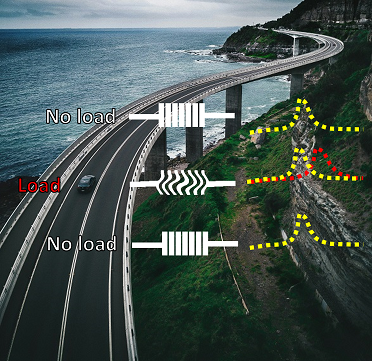
Structures need to be monitored. A Fiber Bragg Grating
(FBG) sensor does this particularly well because it is
very sensitive to external forces. And it is immune to
Electromagnetic Interference (EMI). In the picture, a
shift in the peak of the profile means it detects a
strain, and if the shift is big enough, a warning
sign.
One of the challenges though, was to read the FBG. It
required a small lab. And commercial systems were VERY
costly. Enter the story on FBG interrogation. But how
does it work?
Swipe right!
PS: Original photo by
Silas Baisch. Graphics added for this site.
|
|
|
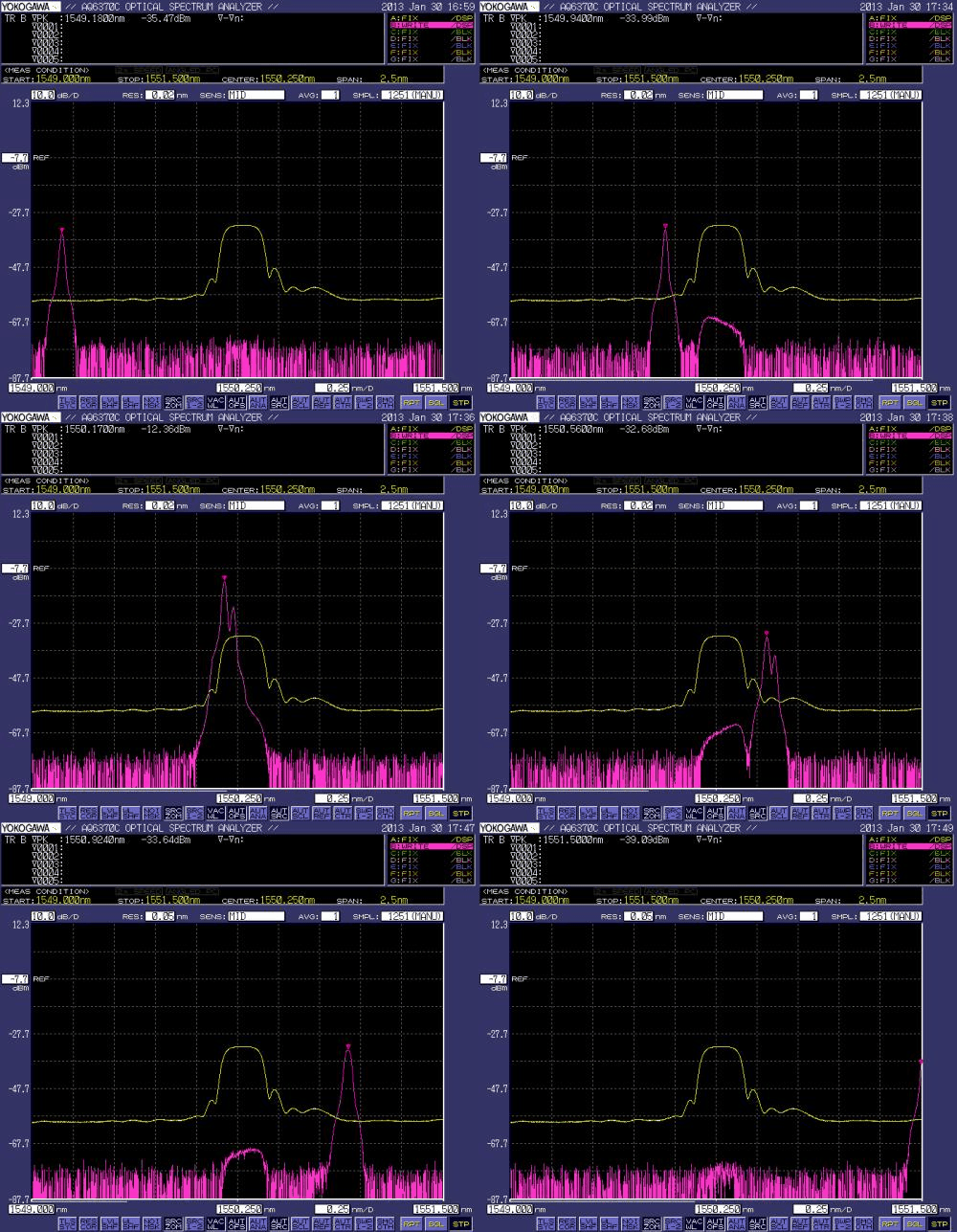
This is how it looks like if a fiber sensor is being
"interrogated". A tunable laser sweeps through
different bandwidths to profile the sensor.
The sensor output is read with a photodiode, converted
via Analog-to-Digital circuitry and the output can map
the sensor profile.
Let's have a look at how the smaller device was
developed.
|
|
|
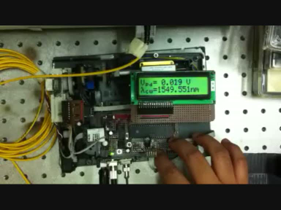
The Interrogator (playfully called BraggScann) was
built mainly from computer parts, Frankensteined with
the more costly optical parts. We published
paper
about it much later, with a patent.
If you must know, it was built with a 980nm butterfly
laser, pumping an Erbium-doped Fiber with a tunable
bandpass filter in it, driven using
electromechanical
means, using the single-mode EDFA ring laser
configuration. The output from the sensor was read
using a fiber-based InGaAs photodiode, fed to a 15-bit
ADC (ADS1100). All were spliced and assembled within
the enclosure. The microcontroller was a PIC18F4455. A
gone era where PICs dominated the scene.
|
|
|
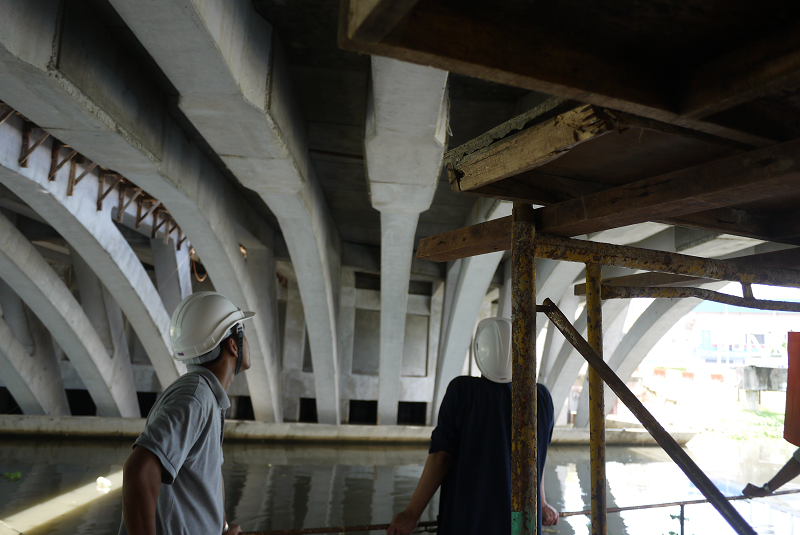
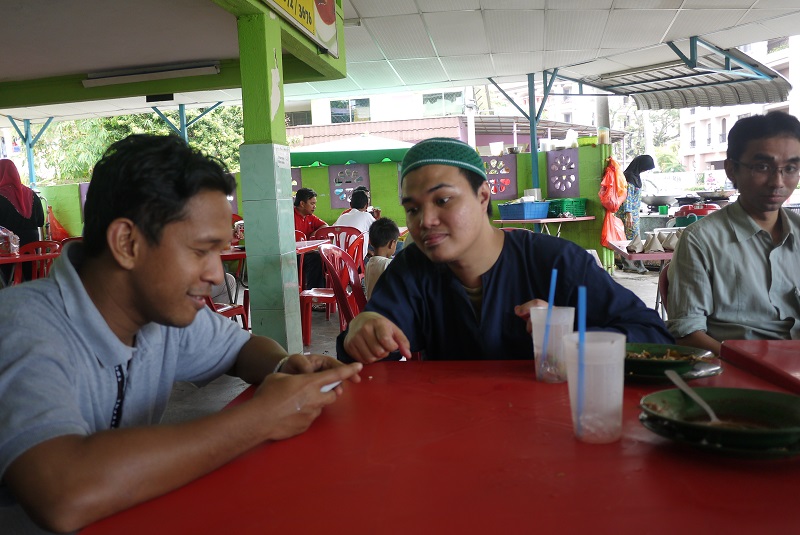
Our FBG sensor was installed in one of the segments of
an arch spandrel bridge in Melaka. This picture, among
many, showed us looking at the sensor after it was
installed.
|
|
|
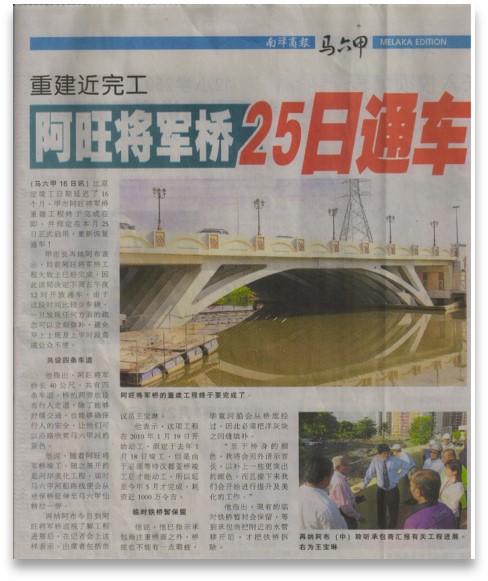
And, well, here's some news coverage on it.
|
|
|
Forgive the sentimentality, but the state of Melaka
makes us remember that there are also other things in
life which is very important.
Like a good asam pedas fish.
|

